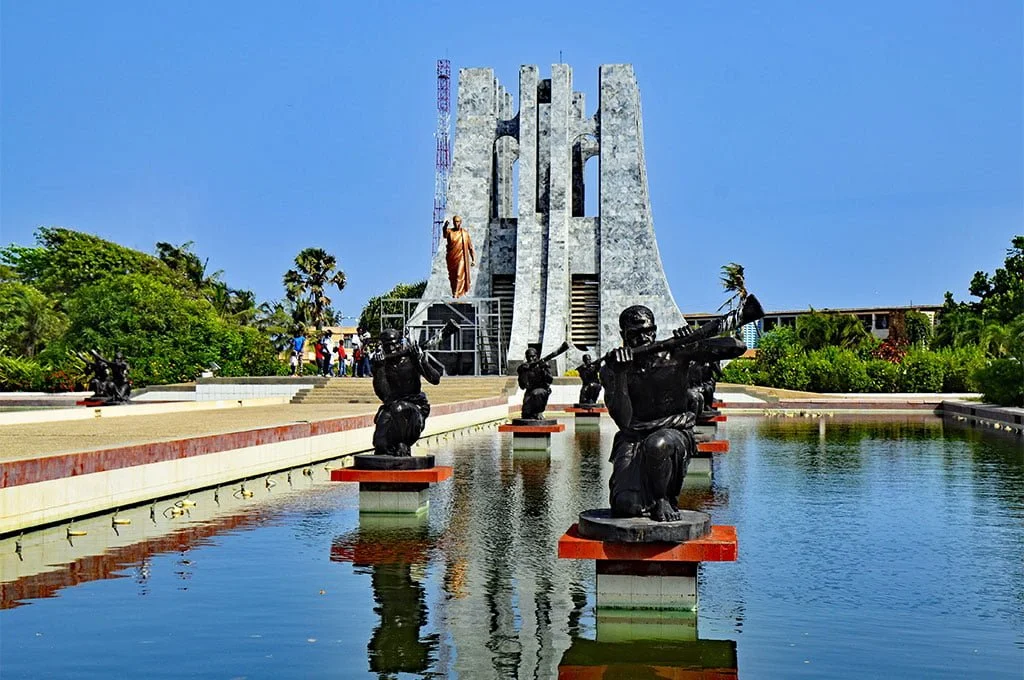
Explore the vibrant cultural tapestry of Ghana, from ancient kingdoms to modern traditions. Discover the significance of festivals, traditional crafts, and the warm hospitality that defines Ghanaian culture.
Discovering Ghana's Rich Cultural Heritage: A Journey Through Time
Ghana, often called the "Gateway to Africa," is a country steeped in rich cultural heritage that spans thousands of years. From the ancient Ashanti Kingdom to modern-day traditions, Ghana offers visitors an unparalleled journey through African history and culture.
The Ashanti Kingdom: A Legacy of Gold and Power
The Ashanti Kingdom, centered in Kumasi, is one of Africa's most powerful and influential kingdoms. Founded in the 17th century, the Ashanti people developed a sophisticated political system and became renowned for their gold craftsmanship. Today, visitors can explore the Manhyia Palace Museum, which houses artifacts and regalia that tell the story of this remarkable civilization.
The Golden Stool, or Sika Dwa Kofi, is the most sacred symbol of the Ashanti people. According to legend, it descended from the sky and contains the soul of the Ashanti nation. This spiritual significance continues to influence Ashanti culture today.
Traditional Festivals: Celebrating Life and Heritage
Ghana is home to numerous festivals that celebrate harvests, historical events, and spiritual beliefs. The Homowo Festival in Accra, the Aboakyir Festival in Winneba, and the Akwasidae Festival in Kumasi are just a few examples of vibrant celebrations that bring communities together.
These festivals feature colorful processions, traditional music, dance performances, and elaborate ceremonies that have been passed down through generations. Attending a festival is an immersive way to experience Ghanaian culture firsthand.
Craft Villages: Preserving Ancient Skills
Ghana's craft villages are living museums where traditional skills are preserved and practiced. In Bonwire, master weavers create intricate Kente cloth using techniques unchanged for centuries. Ahwiaa is famous for its wood carvings, while Ntonsu specializes in Adinkra cloth production.
Each craft tells a story. Kente patterns convey messages and proverbs, Adinkra symbols represent philosophical concepts, and wood carvings often depict historical events or spiritual beliefs. Visiting these villages provides insight into Ghana's artistic heritage.
The Warmth of Ghanaian Hospitality
Perhaps Ghana's greatest cultural asset is its people. Ghanaians are known for their warm hospitality, often expressed through the phrase "Akwaaba" (welcome). This welcoming spirit extends to visitors, making Ghana one of Africa's most tourist-friendly destinations.
Traditional greetings, shared meals, and community gatherings are central to Ghanaian life. Visitors often find themselves invited to local celebrations, family gatherings, and community events, creating authentic cultural experiences.
Preserving Culture for Future Generations
Ghana recognizes the importance of preserving its cultural heritage. Museums, cultural centers, and educational programs work to maintain traditional knowledge and practices. UNESCO World Heritage sites like the Asante Traditional Buildings help protect important cultural landmarks.
As Ghana continues to modernize, there's a conscious effort to balance progress with cultural preservation, ensuring that future generations can experience the rich traditions that make Ghana unique.
Experience Ghana's Culture with TOURWORLD
Our cultural tours offer immersive experiences that connect you with Ghana's living heritage. From traditional naming ceremonies to craft village visits, we provide authentic encounters with Ghanaian culture that create lasting memories.
Join us on a journey through Ghana's cultural landscape and discover why this West African nation continues to captivate visitors from around the world.