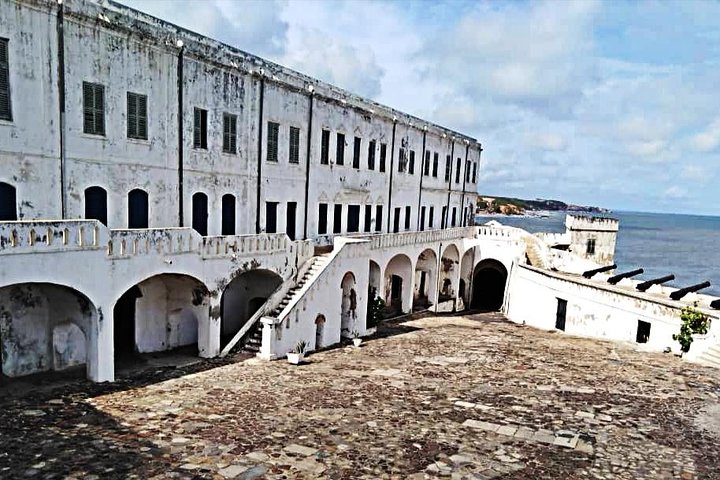
Visit the powerful and emotional sites of Cape Coast and Elmina Castles, where millions of Africans began their journey across the Atlantic. Learn about this dark chapter in history and its lasting impact.
Exploring Ghana's Historic Slave Castles: A Journey of Remembrance
Ghana's coastline is home to some of the most significant historical sites related to the transatlantic slave trade. The castles at Cape Coast and Elmina stand as powerful reminders of this dark period in human history, serving as places of education, reflection, and remembrance.
Cape Coast Castle: The Door of No Return
Cape Coast Castle, originally built by the Swedes in 1653, became one of the largest slave trading posts in West Africa. The castle's "Door of No Return" is perhaps its most famous feature - the final exit point where enslaved Africans were forced onto ships, never to see their homeland again.
Today, the castle houses a museum that tells the story of the slave trade from multiple perspectives. Visitors can explore the dungeons where thousands of people were held in horrific conditions, see the governor's quarters that contrast sharply with the prisoners' cells, and learn about the resistance movements that fought against this injustice.
Elmina Castle: The Oldest European Building in Sub-Saharan Africa
Elmina Castle, built by the Portuguese in 1482, predates Cape Coast Castle and is the oldest European building in sub-Saharan Africa. Originally a trading post for gold, it later became a major slave trading center. The castle's architecture reflects its dual purpose - comfortable quarters for Europeans above, dark dungeons for Africans below.
The castle's location on a promontory overlooking the Atlantic Ocean creates a powerful visual connection to the journey that millions were forced to take. The contrast between the beautiful coastal setting and the horrors that occurred within its walls is stark and moving.
The Emotional Impact of Visiting
Visiting these castles is an emotional experience. Many visitors of African descent describe it as a pilgrimage - a way to connect with their ancestors' history. The guided tours are conducted with sensitivity and respect, allowing visitors to process their emotions while learning about this important history.
The castles serve as places of healing and reconciliation, bringing together people from around the world to acknowledge this shared history and work toward a better future.
Educational Value and Historical Context
These sites are crucial for understanding not just the slave trade, but also its economic, social, and cultural impacts. The museums provide context about pre-colonial African societies, the mechanics of the slave trade, and its lasting effects on Africa, the Americas, and Europe.
Educational programs at both castles help visitors, especially students, understand this history in a comprehensive way, connecting past events to contemporary issues of race, inequality, and human rights.
UNESCO World Heritage Status
Both Cape Coast and Elmina Castles are part of Ghana's UNESCO World Heritage sites, recognized for their historical significance. This designation helps ensure their preservation and accessibility for future generations.
The Ghanaian government and various organizations work to maintain these sites while ensuring they remain places of education and remembrance rather than mere tourist attractions.
Visiting with Respect and Reflection
When visiting these castles, it's important to approach them with respect and sensitivity. Many visitors choose to wear white clothing as a sign of respect, and photography is often restricted in certain areas. Taking time for quiet reflection is encouraged.
These visits often inspire deeper engagement with issues of social justice, human rights, and historical reconciliation, making them transformative experiences for many visitors.
Experience History with TOURWORLD
Our historical tours include visits to these important sites, with knowledgeable guides who provide context and facilitate meaningful discussions. We ensure that visitors have time for reflection and can process their emotions in a supportive environment.
Join us on a journey of remembrance and education, honoring those who suffered while learning how we can work together for a more just future.