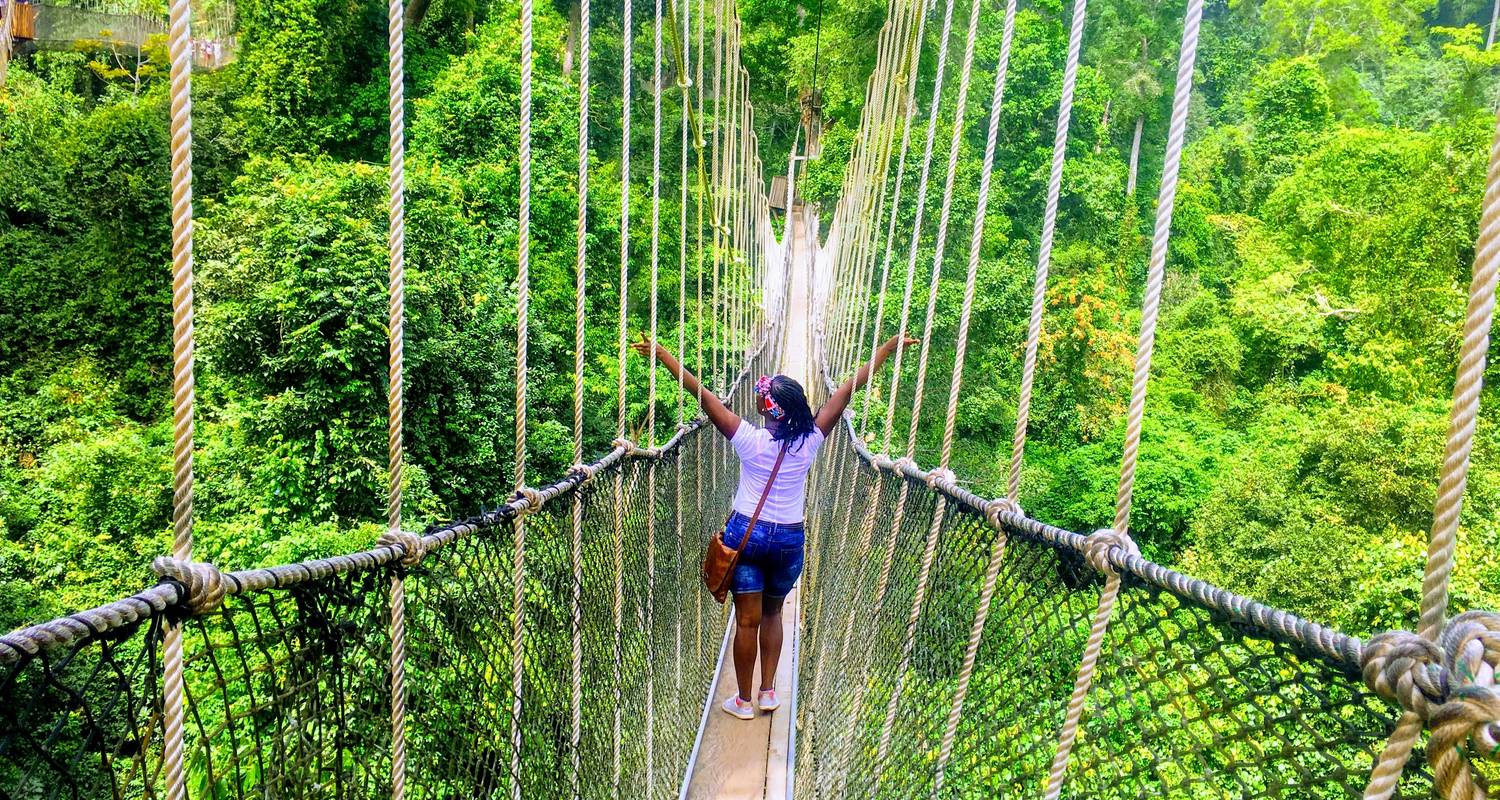
Get practical advice for traveling to Ghana, from visa requirements to cultural etiquette. Learn what to pack, when to visit, and how to make the most of your Ghanaian adventure.
Planning Your Ghana Adventure: Essential Travel Tips and Insights
Ghana is a welcoming and tourist-friendly destination, but proper planning ensures a smooth and enjoyable trip. From practical considerations to cultural insights, these tips will help you prepare for an unforgettable Ghanaian adventure.
Visa Requirements and Entry
Most visitors to Ghana require a visa, which can be obtained from Ghanaian embassies or consulates before travel. Some nationalities can obtain visas on arrival, but it's best to check current requirements. Ensure your passport is valid for at least six months beyond your planned departure date.
The visa application process is generally straightforward, but allow time for processing. Some countries offer online visa applications, making the process more convenient.
Best Time to Visit
Ghana has two main seasons: the dry season (November to March) and the rainy season (April to October). The dry season is generally considered the best time to visit, with less rainfall and more comfortable temperatures. However, the rainy season has its advantages, including lush green landscapes and fewer tourists.
Festival dates can also influence when to visit, as experiencing Ghanaian festivals adds a special dimension to your trip. Research festival calendars to align your visit with celebrations that interest you.
Health and Safety
Ghana requires yellow fever vaccination for entry, and it's recommended to be up-to-date on routine vaccinations. Malaria is present in Ghana, so taking anti-malarial medication and using mosquito repellent is important. Consult with a travel health clinic before your trip.
Ghana is generally safe for tourists, with low crime rates compared to many destinations. However, take normal precautions: don't display valuables, be aware of your surroundings, and follow local advice. Most Ghanaians are helpful and honest, making it a comfortable destination for travelers.
Cultural Etiquette
Ghanaians are known for their hospitality and friendliness. Greetings are important - take time to greet people properly. The right hand is used for eating and giving/receiving items, as the left hand is considered unclean. When visiting homes or sacred sites, remove your shoes.
Dress modestly, especially when visiting religious sites or rural areas. While beach areas are more relaxed, conservative dress shows respect for local customs. Learning a few words of Twi or other local languages is appreciated and enhances your experience.
Currency and Money
Ghana's currency is the Ghana Cedi (GHS). Credit cards are accepted in major hotels and restaurants, but cash is needed for markets, taxis, and smaller establishments. ATMs are available in cities and towns, but it's wise to carry some cash, especially when traveling to rural areas.
Bargaining is expected in markets and with taxi drivers (agree on prices before starting journeys). Be respectful and friendly when bargaining - it's part of the culture, not a confrontation.
Transportation
Ghana has various transportation options. Domestic flights connect major cities, buses provide comfortable intercity travel, and shared taxis (trotros) offer local transportation. Hiring a car with a driver is often the most convenient option for tourists, especially when visiting multiple destinations.
Road conditions vary, and traffic in cities can be heavy. Allow extra time for journeys, especially during peak hours. Our tours include transportation, ensuring comfortable and safe travel.
What to Pack
Pack light, breathable clothing suitable for warm weather, but include a light jacket for cooler evenings or air-conditioned spaces. Comfortable walking shoes are essential, as many activities involve walking. A hat, sunscreen, and insect repellent are important for outdoor activities.
If visiting during the rainy season, include a rain jacket or umbrella. For visits to religious sites or formal occasions, include modest, respectful clothing. A camera is essential for capturing Ghana's beauty and your experiences.
Communication
English is Ghana's official language and is widely spoken, making communication easy for English-speaking visitors. Learning a few words of local languages (especially Twi) is appreciated and enhances interactions. Mobile phone coverage is good in cities and towns, and SIM cards are readily available.
Internet access is available in cities and major towns, though speeds may vary. Many hotels and restaurants offer Wi-Fi.
Making the Most of Your Visit
To truly experience Ghana, engage with local people, try local foods, and participate in cultural activities. Be open to new experiences and flexible with your plans - some of the best experiences come from unexpected opportunities.
Our tours are designed to provide authentic experiences while ensuring comfort and safety. We handle logistics so you can focus on enjoying your Ghanaian adventure.
Experience Ghana with TOURWORLD
Our comprehensive tours take care of all the details, from transportation to accommodations to activities. We provide expert guides who share their knowledge and ensure you have meaningful experiences. Our local connections allow us to offer authentic encounters with Ghanaian culture.
Join us for a well-planned, unforgettable journey through Ghana, where every detail is handled so you can fully immerse yourself in this remarkable destination.